The Best & Worst U.S. States for House Flipping U.S. states ranked from the most to the least attractive to house flippers
Read Full Article
Property development margins are established years before the market ultimately decides whether the assumptions behind them were right. For UAE developers managing projects through Morta.com, this makes the relationship between feasibility, live project costs and changing market conditions particularly important. A development may have been acquired and appraised in one pricing environment, started construction in another and reach completion when buyers have considerably more stock to choose from. That timing matters as the UAE enters another significant period of residential delivery. Dubai recorded a strong 2025, with 205,400 residential transactions worth AED 544.2 billion, according to Knight Frank. At the same time, its registered development pipeline indicated that more than 160,000 homes could potentially enter the market during 2026, although historical completion rates suggest the number actually delivered is likely to be substantially lower.
The biggest buildings in the world tend to be discussed through records: height, floor count, construction cost and engineering firsts. Property developers see something else. Behind every tower is a development proposition that had to survive land acquisition, financing, design coordination, procurement, construction, leasing, handover and years of operation. That commercial reality is where Morta.com fits. Its property development software gives developers one place to manage the information, approvals, costs and decisions that carry a project from its earliest appraisal through to handover and defect management. This matters because landmark buildings are rarely isolated structures. They may serve as corporate headquarters, tourist destinations, hotels, retail centres, residential addresses and pieces of national infrastructure at the same time. Each additional use introduces new stakeholders, contracts, compliance obligations and operational requirements. A tower may be admired for its façade, but its success is ultimately determined by whether the developer can turn an ambitious concept into a functioning asset.
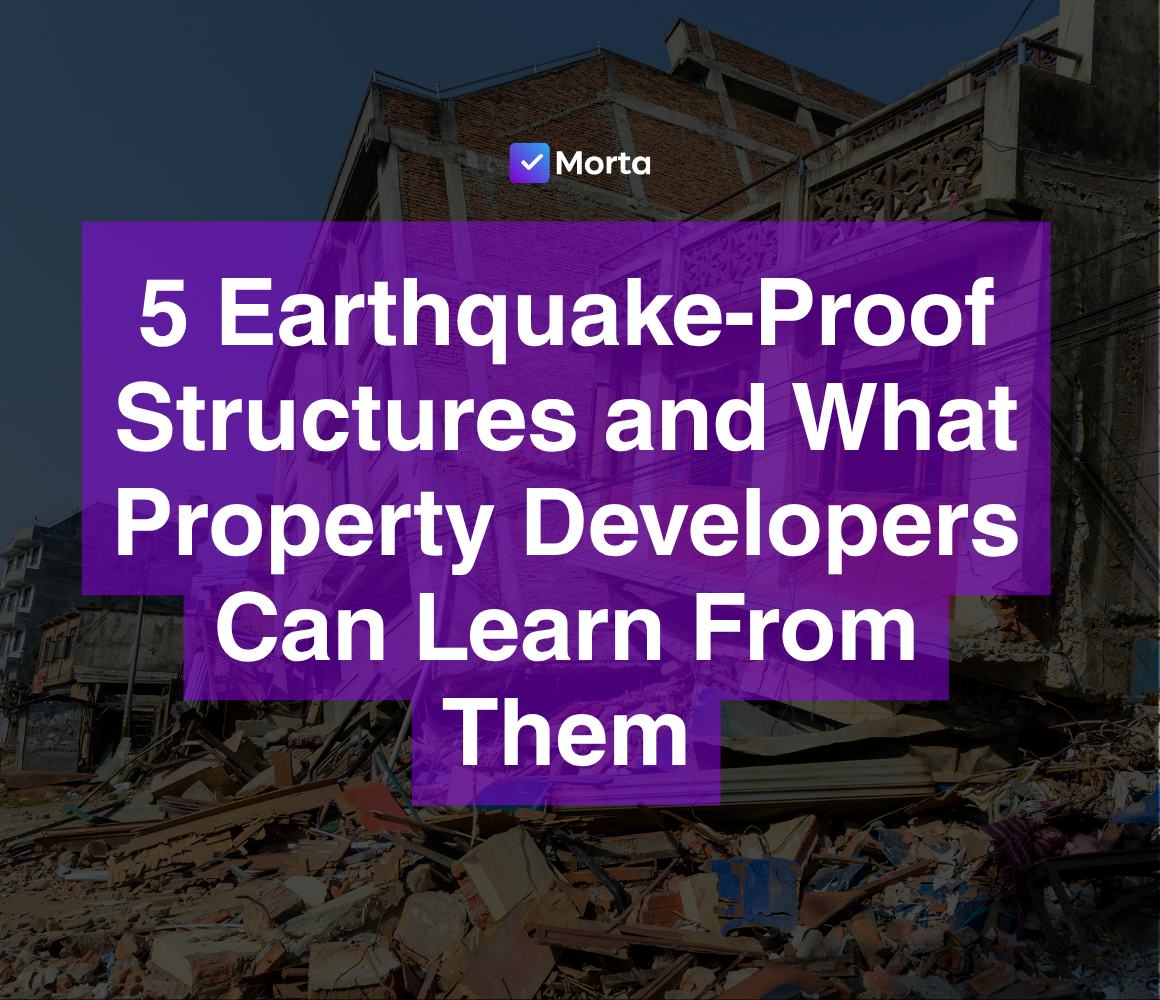
Earthquakes do not become disasters through ground movement alone. The condition of the built environment determines how severely that movement affects people, businesses and entire communities. Recent earthquakes have repeatedly shown that structural collapse, falling masonry and damaged infrastructure can account for a considerable share of fatalities and injuries. Following the 1989 Loma Prieta earthquake, for example, most recorded deaths were associated with the collapse of a motorway viaduct, while other victims were killed by collapsing buildings and brickwork, according to the United States Geological Survey. For property developers, seismic resilience must therefore be treated as a fundamental development requirement wherever credible earthquake risk exists. It influences site selection, structural design, procurement, quality control, insurance, finance and the long-term value of the finished asset. Morta.com gives property developers one place to manage these interconnected decisions, from early appraisals and cost planning to tendering, compliance, handover and defect management. That oversight is particularly valuable when a project involves specialist structural systems whose performance depends on careful design, installation and documentation.
The Eiffel Tower is often treated as a cultural icon first and a construction project second. For property developers, that misses the most interesting part of the story. Before it became synonymous with Paris, it was a highly visible, controversial and technically demanding capital project with a strict completion date, complex ground conditions, a bespoke procurement model and a commercial strategy built around long-term operation. That is why its cost still matters. Modern property developers work with better materials, digital reporting and property development software such as Morta, but the underlying commercial questions have barely changed. Can the project be delivered on time? Who carries the risk? How will the capital be recovered? What will the asset earn once practical completion is behind it?
Property development margins are established years before the market ultimately decides whether the assumptions behind them were right. For UAE developers managing projects through Morta.com, this makes the relationship between feasibility, live project costs and changing market conditions particularly important. A development may have been acquired and appraised in one pricing environment, started construction in another and reach completion when buyers have considerably more stock to choose from. That timing matters as the UAE enters another significant period of residential delivery. Dubai recorded a strong 2025, with 205,400 residential transactions worth AED 544.2 billion, according to Knight Frank. At the same time, its registered development pipeline indicated that more than 160,000 homes could potentially enter the market during 2026, although historical completion rates suggest the number actually delivered is likely to be substantially lower.
The biggest buildings in the world tend to be discussed through records: height, floor count, construction cost and engineering firsts. Property developers see something else. Behind every tower is a development proposition that had to survive land acquisition, financing, design coordination, procurement, construction, leasing, handover and years of operation. That commercial reality is where Morta.com fits. Its property development software gives developers one place to manage the information, approvals, costs and decisions that carry a project from its earliest appraisal through to handover and defect management. This matters because landmark buildings are rarely isolated structures. They may serve as corporate headquarters, tourist destinations, hotels, retail centres, residential addresses and pieces of national infrastructure at the same time. Each additional use introduces new stakeholders, contracts, compliance obligations and operational requirements. A tower may be admired for its façade, but its success is ultimately determined by whether the developer can turn an ambitious concept into a functioning asset.
Earthquakes do not become disasters through ground movement alone. The condition of the built environment determines how severely that movement affects people, businesses and entire communities. Recent earthquakes have repeatedly shown that structural collapse, falling masonry and damaged infrastructure can account for a considerable share of fatalities and injuries. Following the 1989 Loma Prieta earthquake, for example, most recorded deaths were associated with the collapse of a motorway viaduct, while other victims were killed by collapsing buildings and brickwork, according to the United States Geological Survey. For property developers, seismic resilience must therefore be treated as a fundamental development requirement wherever credible earthquake risk exists. It influences site selection, structural design, procurement, quality control, insurance, finance and the long-term value of the finished asset. Morta.com gives property developers one place to manage these interconnected decisions, from early appraisals and cost planning to tendering, compliance, handover and defect management. That oversight is particularly valuable when a project involves specialist structural systems whose performance depends on careful design, installation and documentation.
The Eiffel Tower is often treated as a cultural icon first and a construction project second. For property developers, that misses the most interesting part of the story. Before it became synonymous with Paris, it was a highly visible, controversial and technically demanding capital project with a strict completion date, complex ground conditions, a bespoke procurement model and a commercial strategy built around long-term operation. That is why its cost still matters. Modern property developers work with better materials, digital reporting and property development software such as Morta, but the underlying commercial questions have barely changed. Can the project be delivered on time? Who carries the risk? How will the capital be recovered? What will the asset earn once practical completion is behind it?
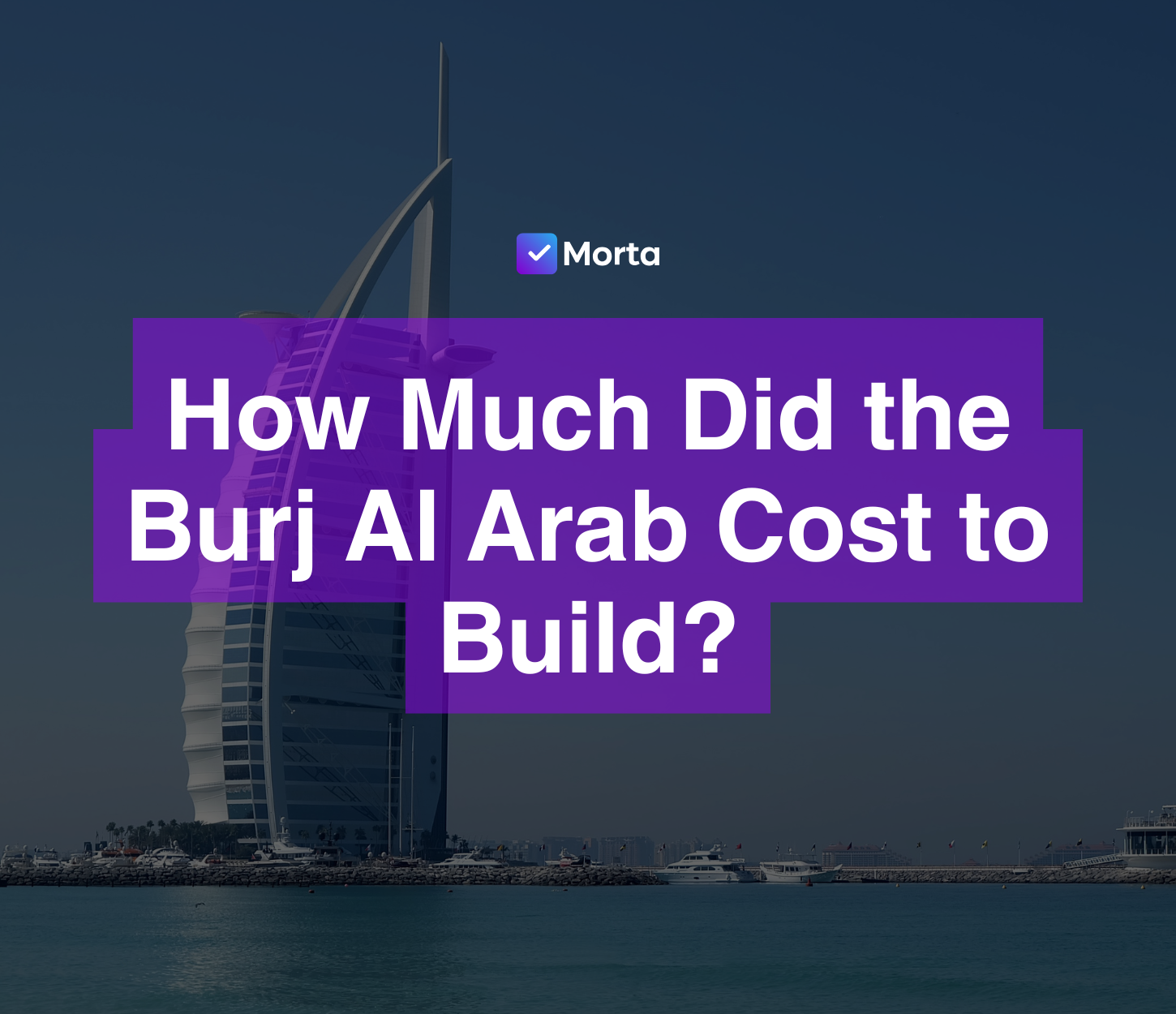
The Burj Al Arab reportedly cost approximately US$1 billion to build, equivalent to around AED 3.67 billion or £751 million at July 2026 exchange rates. The figure is widely cited rather than formally itemised by its developer, so it should be treated as an informed estimate rather than an audited final account. Even with that qualification, the Burj Al Arab construction cost places the hotel among the most ambitious hospitality developments of its generation. For property developers, the value of studying the Burj Al Arab lies in understanding what that capital created. The project combined marine engineering, landmark architecture, specialist procurement, luxury hospitality and destination branding within a five-year development programme. Managing that degree of complexity requires reliable control over costs, approvals, contractors and project information. This is the same operational problem that Morta.com addresses through property development software designed around the complete development lifecycle.
Property development margins are established years before the market ultimately decides whether the assumptions behind them were right. For UAE developers managing projects through Morta.com, this makes the relationship between feasibility, live project costs and changing market conditions particularly important. A development may have been acquired and appraised in one pricing environment, started construction in another and reach completion when buyers have considerably more stock to choose from. That timing matters as the UAE enters another significant period of residential delivery. Dubai recorded a strong 2025, with 205,400 residential transactions worth AED 544.2 billion, according to Knight Frank. At the same time, its registered development pipeline indicated that more than 160,000 homes could potentially enter the market during 2026, although historical completion rates suggest the number actually delivered is likely to be substantially lower.
The biggest buildings in the world tend to be discussed through records: height, floor count, construction cost and engineering firsts. Property developers see something else. Behind every tower is a development proposition that had to survive land acquisition, financing, design coordination, procurement, construction, leasing, handover and years of operation. That commercial reality is where Morta.com fits. Its property development software gives developers one place to manage the information, approvals, costs and decisions that carry a project from its earliest appraisal through to handover and defect management. This matters because landmark buildings are rarely isolated structures. They may serve as corporate headquarters, tourist destinations, hotels, retail centres, residential addresses and pieces of national infrastructure at the same time. Each additional use introduces new stakeholders, contracts, compliance obligations and operational requirements. A tower may be admired for its façade, but its success is ultimately determined by whether the developer can turn an ambitious concept into a functioning asset.
Earthquakes do not become disasters through ground movement alone. The condition of the built environment determines how severely that movement affects people, businesses and entire communities. Recent earthquakes have repeatedly shown that structural collapse, falling masonry and damaged infrastructure can account for a considerable share of fatalities and injuries. Following the 1989 Loma Prieta earthquake, for example, most recorded deaths were associated with the collapse of a motorway viaduct, while other victims were killed by collapsing buildings and brickwork, according to the United States Geological Survey. For property developers, seismic resilience must therefore be treated as a fundamental development requirement wherever credible earthquake risk exists. It influences site selection, structural design, procurement, quality control, insurance, finance and the long-term value of the finished asset. Morta.com gives property developers one place to manage these interconnected decisions, from early appraisals and cost planning to tendering, compliance, handover and defect management. That oversight is particularly valuable when a project involves specialist structural systems whose performance depends on careful design, installation and documentation.
The Eiffel Tower is often treated as a cultural icon first and a construction project second. For property developers, that misses the most interesting part of the story. Before it became synonymous with Paris, it was a highly visible, controversial and technically demanding capital project with a strict completion date, complex ground conditions, a bespoke procurement model and a commercial strategy built around long-term operation. That is why its cost still matters. Modern property developers work with better materials, digital reporting and property development software such as Morta, but the underlying commercial questions have barely changed. Can the project be delivered on time? Who carries the risk? How will the capital be recovered? What will the asset earn once practical completion is behind it?
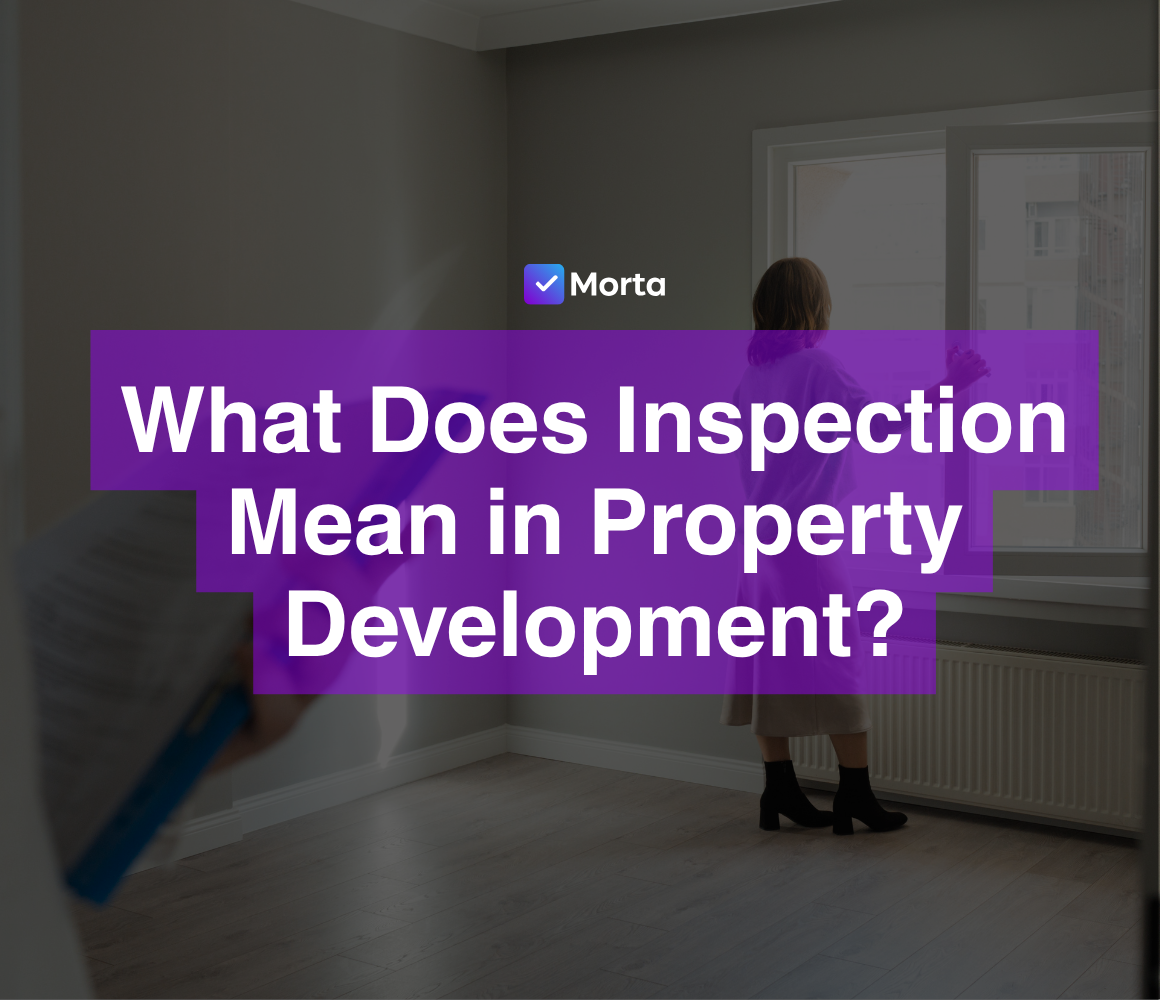
In property development, an inspection is a structured examination of a building, site, construction activity or completed element to determine its condition, quality, compliance and readiness for the next stage of development. Although the term is broad, its practical purpose is straightforward: inspection provides developers with evidence of what physically exists at a particular point in time and allows that position to be compared with the design, specification, contractual requirements and expected standard of delivery. For developers, this information becomes significantly more useful when it is connected to the wider project record. Morta.com is property development software designed specifically around the development lifecycle, including project planning, cost management, contractor collaboration, inspections, handover and defect management. Rather than treating an inspection as a standalone document, Morta allows inspection findings and subsequent actions to remain connected to the development to which they relate. Morta's current platform specifically includes inspections, defects and documentation as part of its post-handover functionality.
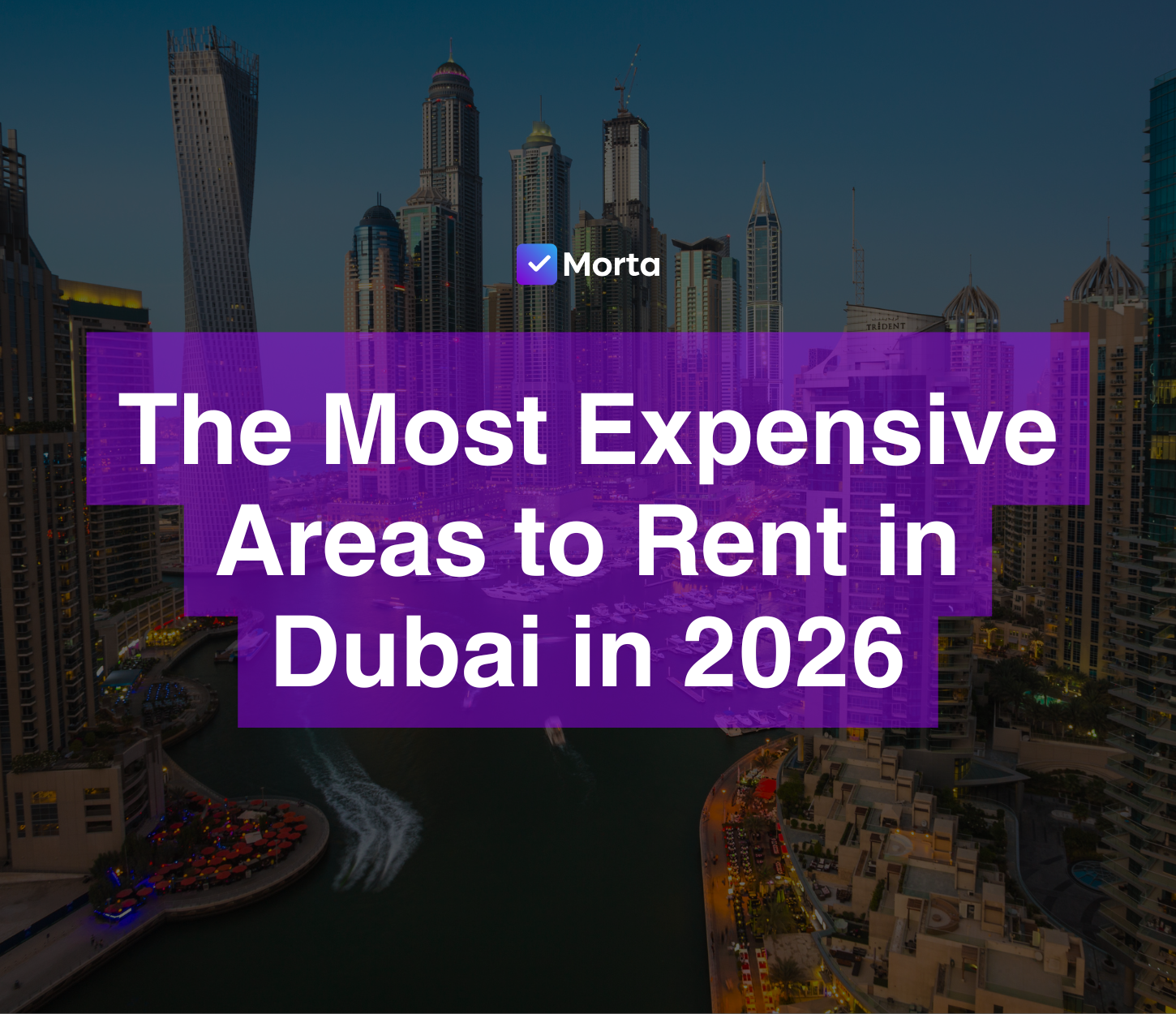
Dubai’s most expensive rental areas are concentrated around a small number of waterfront, financial and low-density residential districts. Bluewaters Island, DIFC, Palm Jumeirah, Downtown Dubai, Emirates Hills, Jumeirah Bay Island, Dubai Hills Estate and Tilal Al Ghaf all command substantial premiums, although the type of property matters as much as the address. A one-bedroom apartment in a prime tower and a six-bedroom mansion in the same city belong to entirely different rental markets. This distinction is important for property developers assessing demand. A high advertised rent may indicate genuine scarcity, an exceptional specification or simply an ambitious landlord. Platforms such as Morta.com help developers connect appraisals, costs, project delivery and portfolio reporting, allowing rental assumptions to be measured against the actual investment required to create and maintain a premium property.
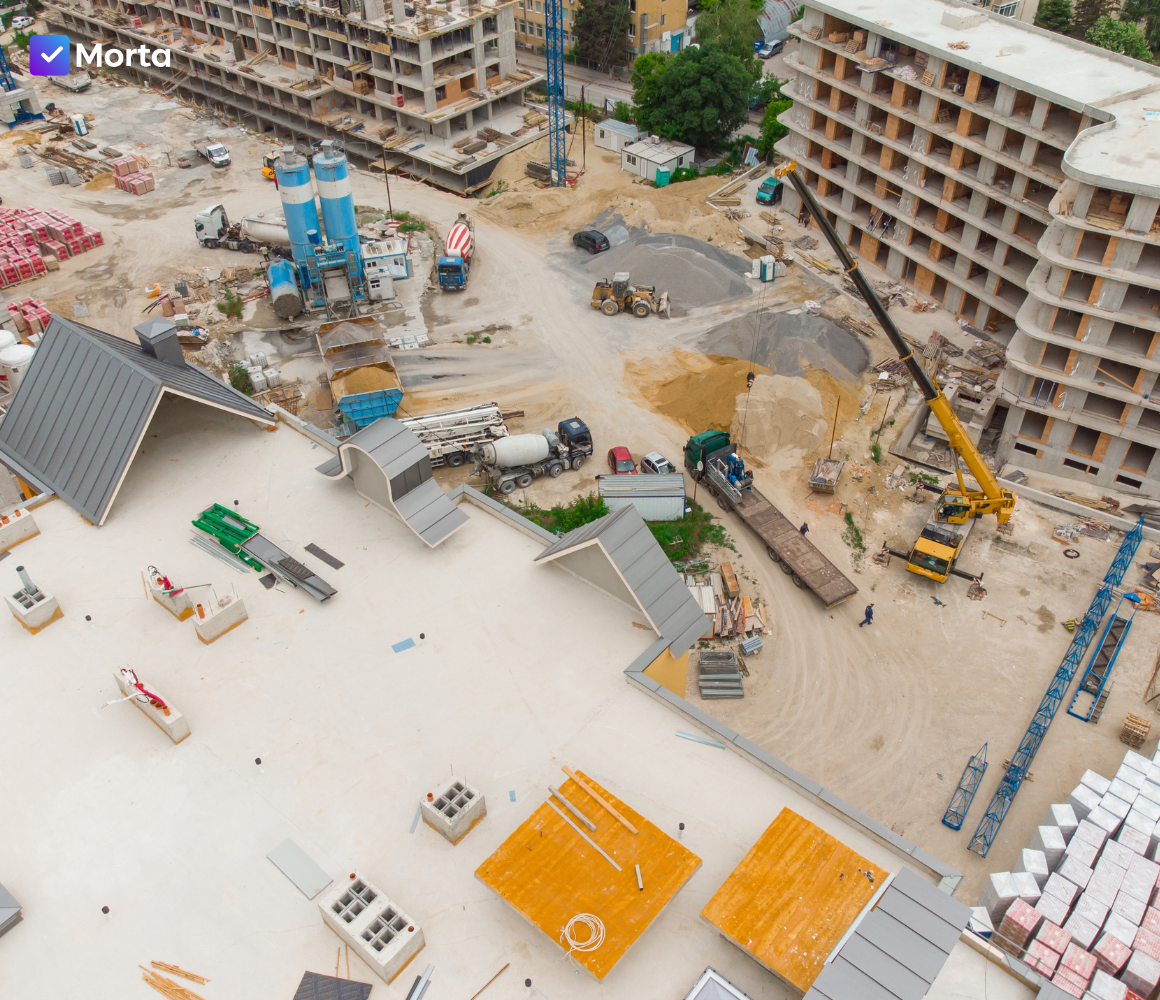
If you are new to property development, nothing feels more confusing than all the jargon that comes up in a project meeting. One of the most important terms is Gross Development Value (GDV). You will hear surveyors, investors and lenders talk about it. The term sounds technical but once you understand the thinking behind it, it becomes straightforward.
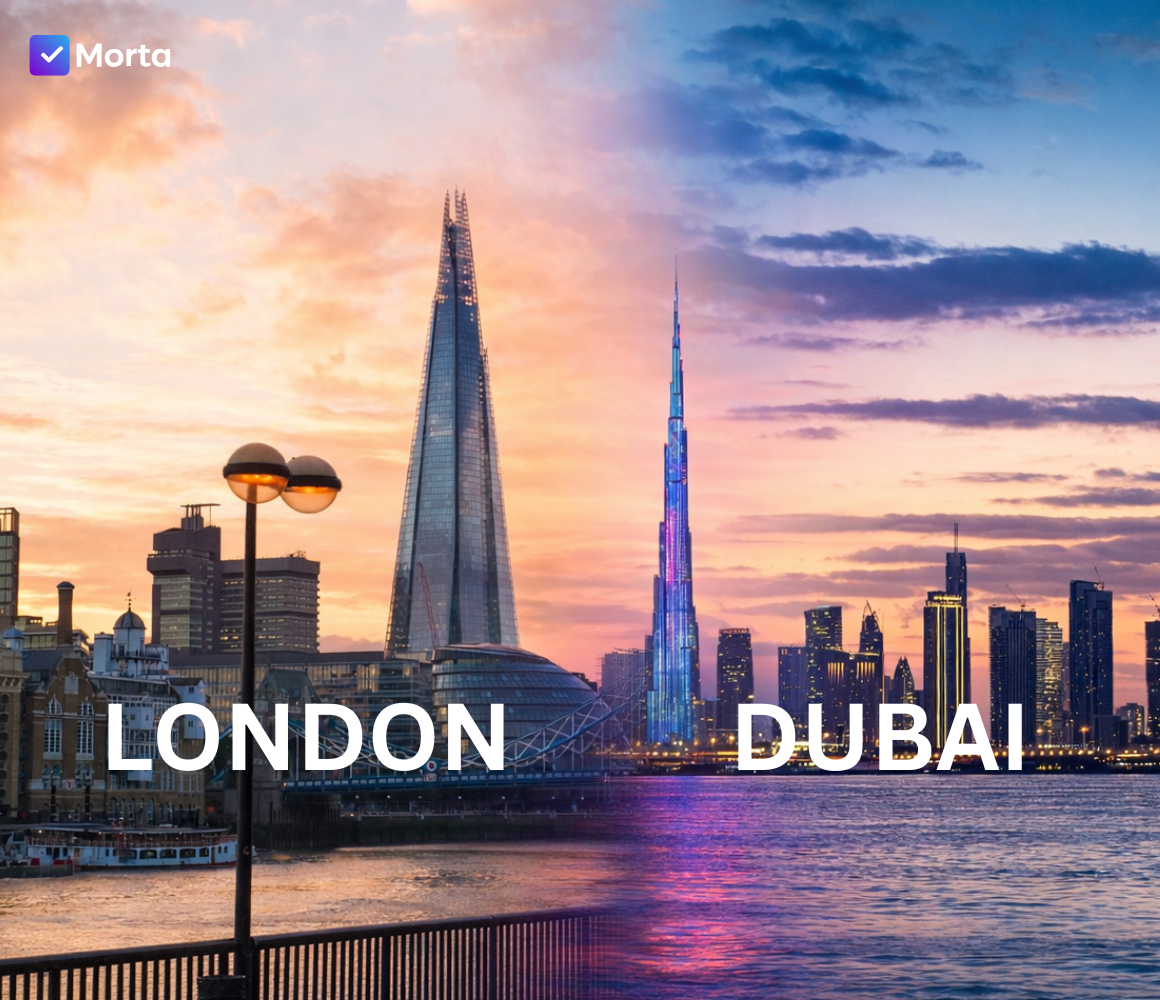
Property Flipping in Dubai vs London. Which Market Delivers More? Property flipping has become one of the most talked about investment strategies over the past decade. Investors like the idea of buying a property, improving its condition, and selling it for a higher price.

How to Start Property Flipping in the UAE Property flipping in the UAE continues to attract investors who want speed, clarity, and strong returns. Dubai in particular offers a rare combination of liquidity, transparent regulations, low tax pressure, and a high volume of buyers who are ready to move fast.