Property development margins are established years before the market ultimately decides whether the assumptions behind them were right. For UAE developers managing projects through Morta.com, this makes the relationship between feasibility, live project costs and changing market conditions particularly important. A development may have been acquired and appraised in one pricing environment, started construction in another and reach completion when buyers have considerably more stock to choose from. That timing matters as the UAE enters another significant period of residential delivery. Dubai recorded a strong 2025, with 205,400 residential transactions worth AED 544.2 billion, according to Knight Frank. At the same time, its registered development pipeline indicated that more than 160,000 homes could potentially enter the market during 2026, although historical completion rates suggest the number actually delivered is likely to be substantially lower.

The biggest buildings in the world tend to be discussed through records: height, floor count, construction cost and engineering firsts. Property developers see something else. Behind every tower is a development proposition that had to survive land acquisition, financing, design coordination, procurement, construction, leasing, handover and years of operation. That commercial reality is where Morta.com fits. Its property development software gives developers one place to manage the information, approvals, costs and decisions that carry a project from its earliest appraisal through to handover and defect management. This matters because landmark buildings are rarely isolated structures. They may serve as corporate headquarters, tourist destinations, hotels, retail centres, residential addresses and pieces of national infrastructure at the same time. Each additional use introduces new stakeholders, contracts, compliance obligations and operational requirements. A tower may be admired for its façade, but its success is ultimately determined by whether the developer can turn an ambitious concept into a functioning asset.
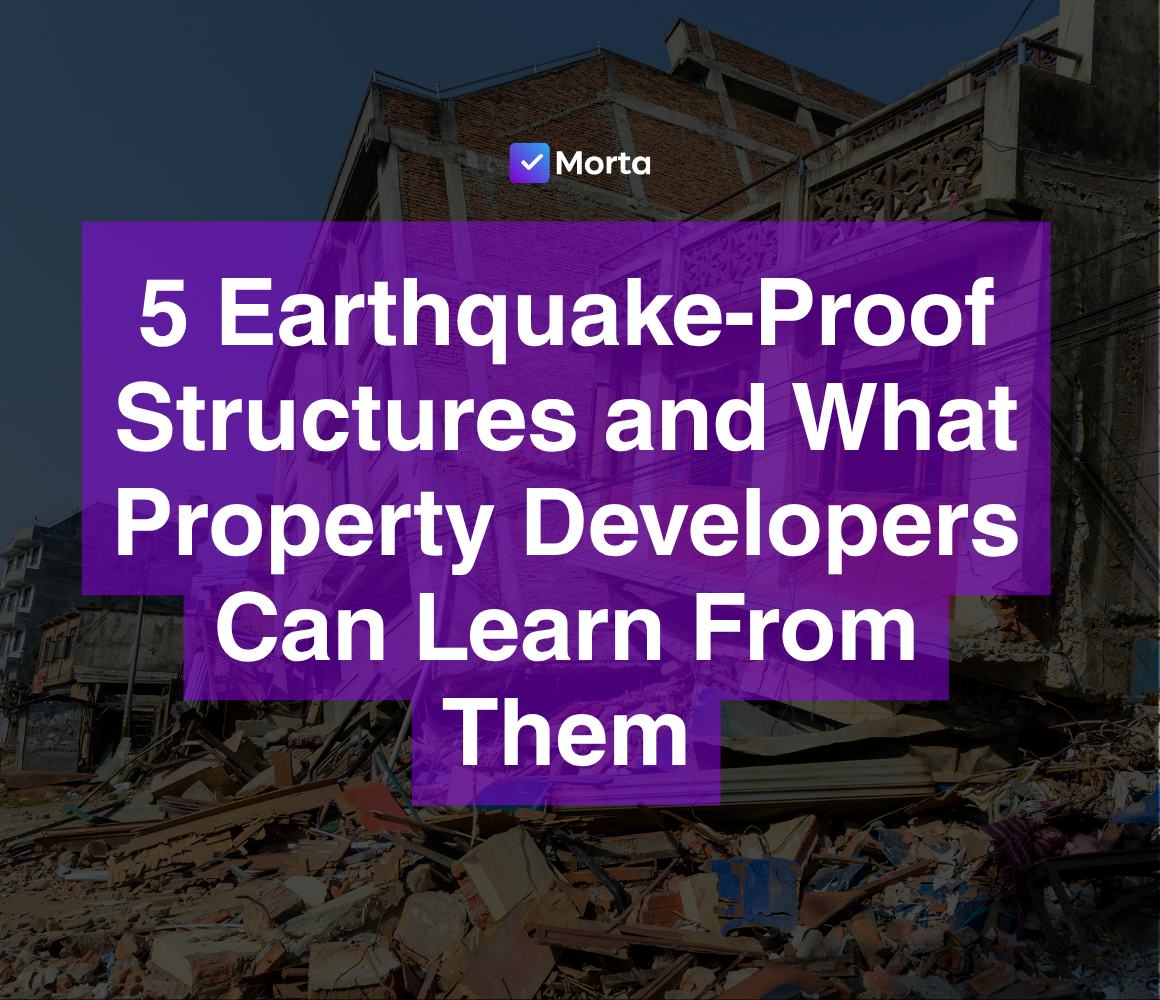
Earthquakes do not become disasters through ground movement alone. The condition of the built environment determines how severely that movement affects people, businesses and entire communities. Recent earthquakes have repeatedly shown that structural collapse, falling masonry and damaged infrastructure can account for a considerable share of fatalities and injuries. Following the 1989 Loma Prieta earthquake, for example, most recorded deaths were associated with the collapse of a motorway viaduct, while other victims were killed by collapsing buildings and brickwork, according to the United States Geological Survey. For property developers, seismic resilience must therefore be treated as a fundamental development requirement wherever credible earthquake risk exists. It influences site selection, structural design, procurement, quality control, insurance, finance and the long-term value of the finished asset. Morta.com gives property developers one place to manage these interconnected decisions, from early appraisals and cost planning to tendering, compliance, handover and defect management. That oversight is particularly valuable when a project involves specialist structural systems whose performance depends on careful design, installation and documentation.
The Eiffel Tower is often treated as a cultural icon first and a construction project second. For property developers, that misses the most interesting part of the story. Before it became synonymous with Paris, it was a highly visible, controversial and technically demanding capital project with a strict completion date, complex ground conditions, a bespoke procurement model and a commercial strategy built around long-term operation. That is why its cost still matters. Modern property developers work with better materials, digital reporting and property development software such as Morta, but the underlying commercial questions have barely changed. Can the project be delivered on time? Who carries the risk? How will the capital be recovered? What will the asset earn once practical completion is behind it?
In property development, an inspection is a structured examination of a building, site, construction activity or completed element to determine its condition, quality, compliance and readiness for the next stage of development. Although the term is broad, its practical purpose is straightforward: inspection provides developers with evidence of what physically exists at a particular point in time and allows that position to be compared with the design, specification, contractual requirements and expected standard of delivery. For developers, this information becomes significantly more useful when it is connected to the wider project record. Morta.com is property development software designed specifically around the development lifecycle, including project planning, cost management, contractor collaboration, inspections, handover and defect management. Rather than treating an inspection as a standalone document, Morta allows inspection findings and subsequent actions to remain connected to the development to which they relate. Morta's current platform specifically includes inspections, defects and documentation as part of its post-handover functionality.
For property developers, a delayed completion date changes far more than the programme. Costs continue to develop, forecasts move, variations accumulate and stakeholders continue to expect reliable answers. Morta.com gives property developers a connected place to manage the commercial and operational information behind a development throughout its lifecycle, which becomes particularly important when the period between acquisition and handover stretches beyond the original plan. The UAE construction market provides a timely example. Developers are continuing to deliver against a substantial pipeline, but the conditions surrounding that delivery have become more difficult. Supply chain disruption, higher construction costs and longer procurement lead times are putting pressure on assumptions that may have looked reasonable when projects were originally appraised.
Property development margins rarely disappear in one dramatic moment. They are usually reduced through dozens of decisions that were understood on site but never documented properly, priced accurately or reflected in the latest forecast. Morta.com helps property developers prevent this disconnect by keeping variation records, approvals, documents and cost information linked to the correct project, giving decision-makers a clearer view of how every change affects the development. Construction variations are unavoidable. Designs develop, site conditions reveal new constraints, planning requirements change and purchasers request upgrades. The commercial risk is not the existence of change itself. It is allowing work to proceed while the reason, responsibility, value and approval status remain unclear.

Property inspections influence what a developer pays, accepts, rectifies and eventually hands over. The right software should therefore preserve inspection findings as usable project information, with photographs, locations, responsibilities and resolution dates attached. Morta.com takes this further by connecting inspections and defects with the wider development record, giving property developers one place to manage activity from the early appraisal through to delivery and post-handover.
A property development can remain commercially viable while its reporting gradually becomes less reliable. Morta.com connects the information generated from land acquisition through to completion, helping developers retain a current view of costs, programme, risk and projected returns as a scheme progresses. This continuity matters because development margin is often weakened through decisions made between formal reporting points, when information has moved faster than the systems intended to record it. When a board member asks for the current margin on a live development, the answer should be readily available. In many businesses, however, the response arrives with qualifications. The latest cost report may exclude a recent variation, the sales forecast may be held elsewhere, or the programme may not reflect a planning delay that has already affected the delivery team.
Property development rarely proceeds without change. Planning requirements evolve, site conditions reveal new constraints, specifications are refined and commercial priorities shift. Morta.com helps property developers manage these variations alongside the budgets, approvals and project information they affect, because the financial consequence of a change extends far beyond the contractor’s original quotation. A variation may appear contained when it is first raised. There is a revised drawing, an additional item of work or a change to the agreed specification. The immediate cost may be relatively easy to identify, but that figure seldom represents the full impact on the development.
A property inspection report is a structured record of a building’s condition at a particular point in its development or ownership. It documents what was inspected, what was found, where each issue is located, how serious it is and what must happen next. For property developers, the report should also establish responsibility, support rectification and preserve evidence that the work was completed correctly. Morta.com allows developers to carry out property inspections within the same system used to manage project delivery, quality, compliance, handover and defects. Inspection findings can be recorded against the relevant property or location, supported by photographs, assigned to the responsible party and followed through to completion. This prevents the inspection report from becoming another static document that records problems without helping the delivery team resolve them.
Budget tracking for property developers is the continuous process of comparing an approved development budget with committed costs, actual expenditure, anticipated changes and the latest forecast. Its purpose is not simply to record what has already been spent. It is to show whether the development remains commercially viable and where its final position is likely to land. At Morta.com, budget tracking is built around the property developer’s full workflow. Development appraisals, cost plans, procurement, purchase orders, variations, payment applications, cash flow and board reporting can be managed through the same property development software. This gives developers a current financial view without waiting for separate spreadsheets and reports to be reconciled.
Ask a property development project manager what they achieved today and the answer may involve far less project management than expected. They found an old approval, checked which cost report was current, chased a contractor for information and rebuilt figures for a board meeting. Morta.com was developed to reduce this administrative load by keeping project costs, decisions, tasks and delivery information connected throughout the development lifecycle. The work appears necessary because each request serves a clear purpose. Stakeholders require updated forecasts, explanations of cost variances and confirmation of approved changes. The inefficiency arises when the project manager must repeatedly locate, verify and reassemble the same underlying information to respond.
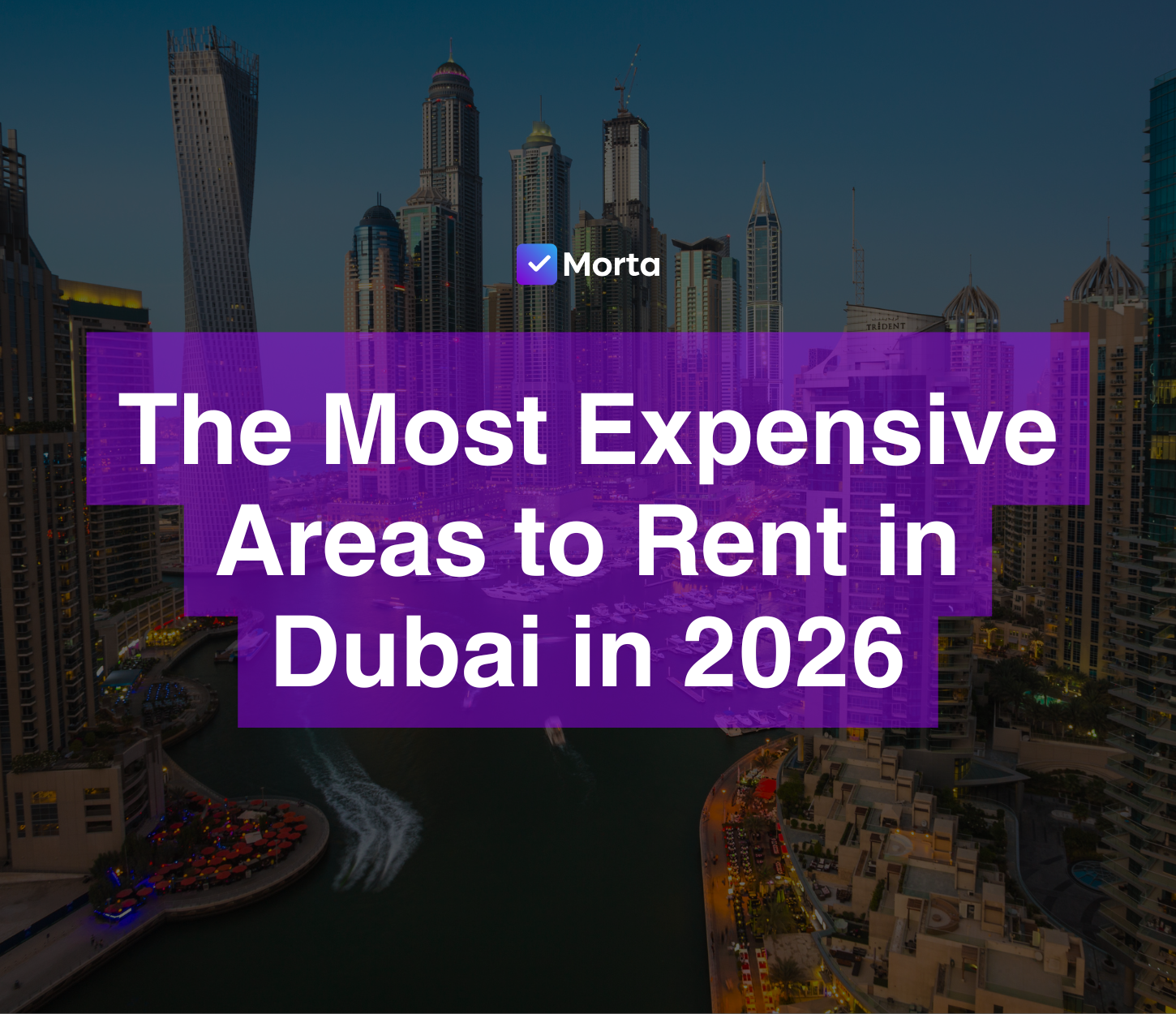
Dubai’s most expensive rental areas are concentrated around a small number of waterfront, financial and low-density residential districts. Bluewaters Island, DIFC, Palm Jumeirah, Downtown Dubai, Emirates Hills, Jumeirah Bay Island, Dubai Hills Estate and Tilal Al Ghaf all command substantial premiums, although the type of property matters as much as the address. A one-bedroom apartment in a prime tower and a six-bedroom mansion in the same city belong to entirely different rental markets. This distinction is important for property developers assessing demand. A high advertised rent may indicate genuine scarcity, an exceptional specification or simply an ambitious landlord. Platforms such as Morta.com help developers connect appraisals, costs, project delivery and portfolio reporting, allowing rental assumptions to be measured against the actual investment required to create and maintain a premium property.
Spreadsheets are where almost every property developer starts. They are flexible, familiar and inexpensive. For a single site with a small team, spreadsheets for property development can work perfectly well. The problem is that spreadsheets do not tell you when they have stopped working. There is no warning message or sudden performance drop that appears overnight. Instead, the cracks emerge gradually through extra hours spent reconciling figures, decisions made using outdated data and small errors that multiply across a growing portfolio.
In property development, an exit is the point at which a developer realises the value created by a project. This usually happens by selling the completed development, refinancing it onto longer-term debt, retaining it as an income-producing asset, or combining more than one of these approaches. The exit determines how the original development finance will be repaid, when the developer’s capital can be recovered, and whether the forecast profit becomes an actual return. Because the exit affects almost every commercial assumption in a development, it should be defined before the site is acquired. Morta.com helps property developers model that strategy from the initial appraisal, monitor the assumptions supporting it and maintain commercial control as the scheme moves through planning, procurement, construction and handover. This gives developers a continuous view of whether the planned exit remains achievable, rather than leaving the question until practical completion.

Property developers rarely decide to adopt new software because everything is running smoothly. The decision usually comes after a reporting deadline becomes a week-long exercise, an important instruction disappears inside an email chain, or a cost increase reaches the appraisal long after it has affected the expected return. By then, the business is not simply dealing with an administrative problem. It is making development decisions using incomplete information. This is where developer-first platforms such as Morta.com become relevant. Morta software brings planning, appraisals, cost reporting, procurement, collaboration, quality management, handover and defect tracking into one connected environment. Rather than treating software as somewhere to store information after an event, Morta helps property developers understand what is happening across their projects while there is still time to act.
Every successful property development begins with a number. Before planning permission is secured, before contractors arrive on site and long before the first brick is laid, developers are making decisions based on projected costs. Those early estimates influence land acquisitions, funding applications, project viability and expected returns. If the numbers are inaccurate, the consequences can follow a development from appraisal through to completion.
Property development has always been about balancing competing priorities. Land values, planning constraints, financing, build costs, programme delays and buyer expectations all compete for attention long before a project reaches completion. Today, there is another factor that has become impossible to ignore: sustainability in construction.
Property development has always been a balancing act. Every decision has a commercial consequence, whether it affects programme, cost, planning approval or long term asset value. When a development is located in a seismic region, that balancing act becomes even more demanding. Earthquake resistant construction is no longer a specialist consideration reserved for landmark projects. According to the United States Geological Survey (USGS), around 20,000 earthquakes occur globally each year, with approximately 100 causing significant damage, affecting millions of people worldwide. It is becoming a fundamental expectation in many parts of the world.
Property development has a strange relationship with procurement. Everyone agrees it is important. Nobody argues that appointing the right contractors, consultants, and suppliers matters. Yet procurement is often treated as a stage rather than a discipline. Something that happens after feasibility, after planning, and after the numbers have been approved.
Most property developers do not lose money because they cannot build. They lose money because decisions take longer than expected.

Property development is often viewed through the lens of profit. People talk about gross development value, sales prices, planning gains, and development margins. What receives far less attention is the thing that determines whether a project succeeds long before profit is realised: cash flow. A development can be profitable on paper and still run into serious financial difficulties if cash is not available at the right time. Contractors need paying, consultants need paying, lenders expect reporting, and unexpected costs rarely arrive at convenient moments.
What Is a Contingency Plan in Property Development? A Guide for Developers One of the fastest ways to tell the difference between an inexperienced property developer and a seasoned one is how they react when things stop going according to plan.
Most people outside the property industry assume development starts when construction begins. In reality, some of the most important decisions happen long before a contractor ever steps onto the site. The success of a development is often determined during the land acquisition stage, where margins are shaped, risks are identified, and the long-term viability of a project is quietly decided behind spreadsheets, planning documents, appraisals, and negotiations. For beginner and intermediate developers, this stage can feel deceptively simple at first. Find a site, assess the numbers, negotiate a deal, and move forward. But experienced developers know land acquisition management is rarely that straightforward. A site that looks profitable on paper can quickly become commercially difficult once planning constraints, infrastructure costs, legal complications, or inaccurate assumptions begin surfacing later in the process.

The conversation around property development software has changed significantly over the last few years. Property developers are no longer impressed by bloated feature lists or generic construction platforms that promise to “streamline operations” without properly understanding how development businesses actually function. Most developers have already experienced the frustration of juggling spreadsheets, disconnected reporting systems, endless email chains, contractor updates buried in WhatsApp groups, and financial data scattered across multiple tools that never fully speak to each other.
Mixed use development is one of those concepts that sounds straightforward until you are the one delivering it. On paper, it is simple. Combine residential, commercial, and sometimes leisure or hospitality within a single scheme. Create a place where people can live, work, and spend time without leaving the area.
Material decisions are rarely treated as strategic early on. They sit quietly inside the cost plan, often driven by availability, pricing, or contractor preference. Yet for property developers, the choice of building materials can quietly shape everything that follows. Programme delays, compliance issues, operating costs, and even exit value. This is where the conversation around unsustainable building materials becomes practical, not theoretical. It is not about ticking a sustainability box. It is about avoiding materials that introduce long term risk into your scheme.
If you ask ten people what capitalisation rate means, you will likely get ten versions of the same answer. Net operating income divided by property value. For a property developer, that explanation is incomplete.

There is a quiet shift happening across the UK. Offices that once held long-term tenants now sit partially empty, while demand for residential space continues to hold. For property developers, that imbalance creates opportunity, but only if it is approached with clarity. Property developers who work with structured systems, particularly purpose-built tools like Morta, tend to approach these projects with far more control from the outset. Costs are clearer, planning is tighter, and execution holds.
In property development, some numbers look convincing in a meeting, and numbers that actually tell you whether the asset holds up. Net operating income sits firmly in the second category. It is one of those terms that gets used with confidence, especially when deals are being presented, yet it is often misunderstood. That becomes a problem quickly, because net operating income is not just a finance term. It directly affects how an asset is valued, how lenders assess risk, and how investors decide whether a development is worth holding.

There is a stage in most developments where the numbers work, but the funding does not quite line up. The appraisal shows a viable scheme. The gross development value is strong. Senior debt is approved, but it stops short of covering the full cost. Equity is either limited or better used elsewhere.

How Much Does Asbestos Removal Cost in the UK? (2016) There is a moment in every older property where the plan stops being theoretical. It usually happens mid-strip, when something unexpected surfaces behind a wall or above a ceiling. For property developers in the UK, that moment often involves asbestos.

There is a version of property flipping that feels straightforward. You buy below market value, renovate, then sell into demand. The numbers look clean on paper, but it is far more complex than that. You will need an in-depth understanding of the subject and systems that will set you up for success. In Dubai, they rarely stay that way.
Understanding residential construction costs in the UK is no longer a simple exercise. It used to be possible to rely on broad averages, apply a margin, and move forward with reasonable confidence. That approach no longer holds. In 2026, construction costs are shaped by volatility. Materials, labour, regulation, and financing all interact in ways that are difficult to predict unless you are actively tracking them. For property developers, whether you are building from the ground up or working within a property flipping model, cost control has become the difference between a viable project and a loss-making one.

There was a time when logistics in the UK sat quietly behind the scenes. It was essential, but rarely urgent. Warehouses functioned, supply chains flowed, and most developers paid far more attention to residential or commercial office assets. Then COVID happened.
Total Warehouses in the UK: Then vs Now (2026) The UK warehouse market has quietly become one of the most important signals in modern property development. It does not move with headlines in the same way residential does, yet it reflects something far more structural. How goods move. How businesses scale. How land is repurposed.
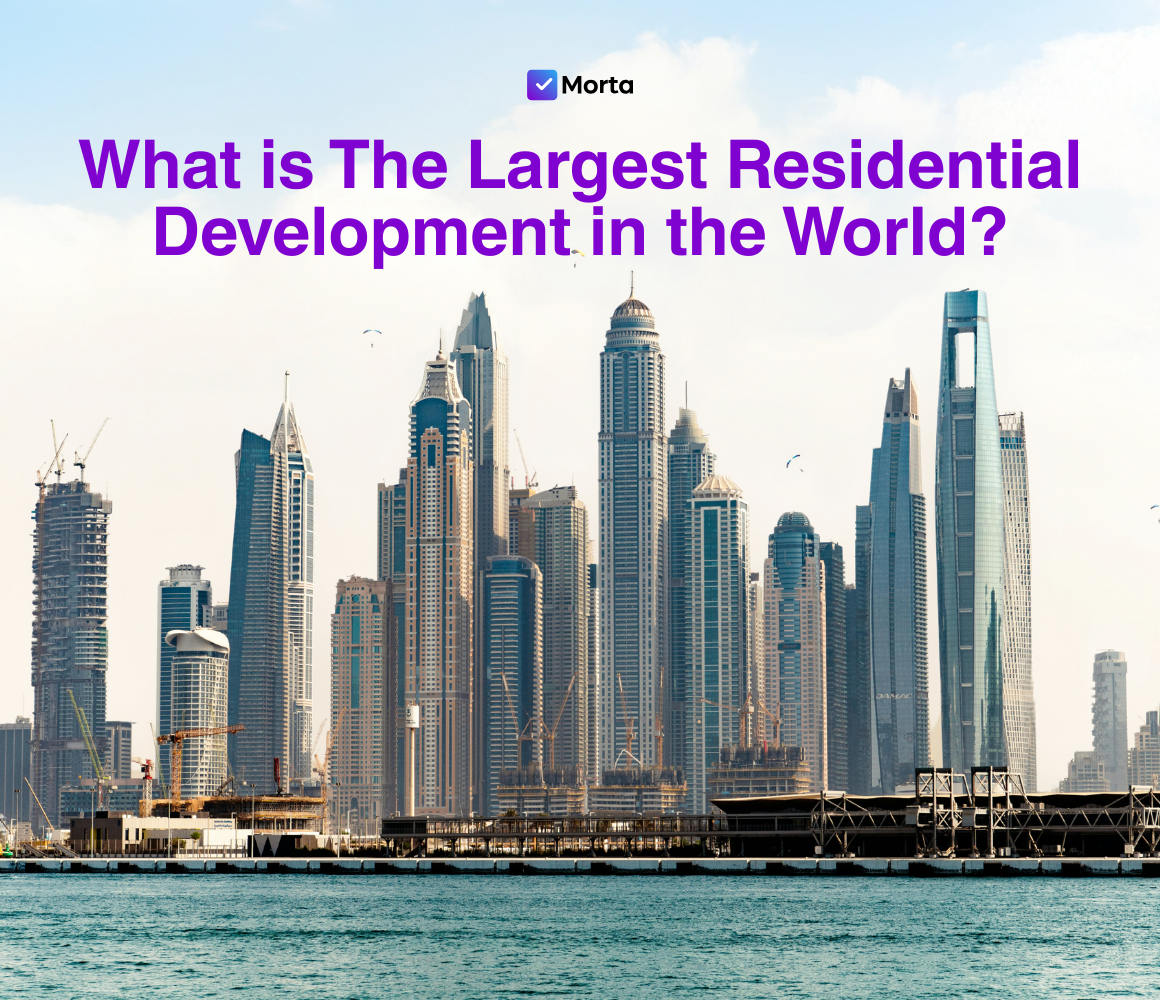
There is a point in every property developer’s career where scale stops being abstract. You stop thinking in units and start thinking in systems. Infrastructure. Phasing. Capital flow. Long-term control.
What Is a Data Centre? A Guide for Property Developers If you are a property developer in 2026, you have likely felt the shift already. Demand is no longer driven only by residential growth, office absorption, or retail footfall. It is being pulled, aggressively, by data.

Commercial Mortgage Rates Around the World (2026): What Property Developers Need to Know If you have looked at a deal recently and felt unsure about whether it still works, you are not alone.
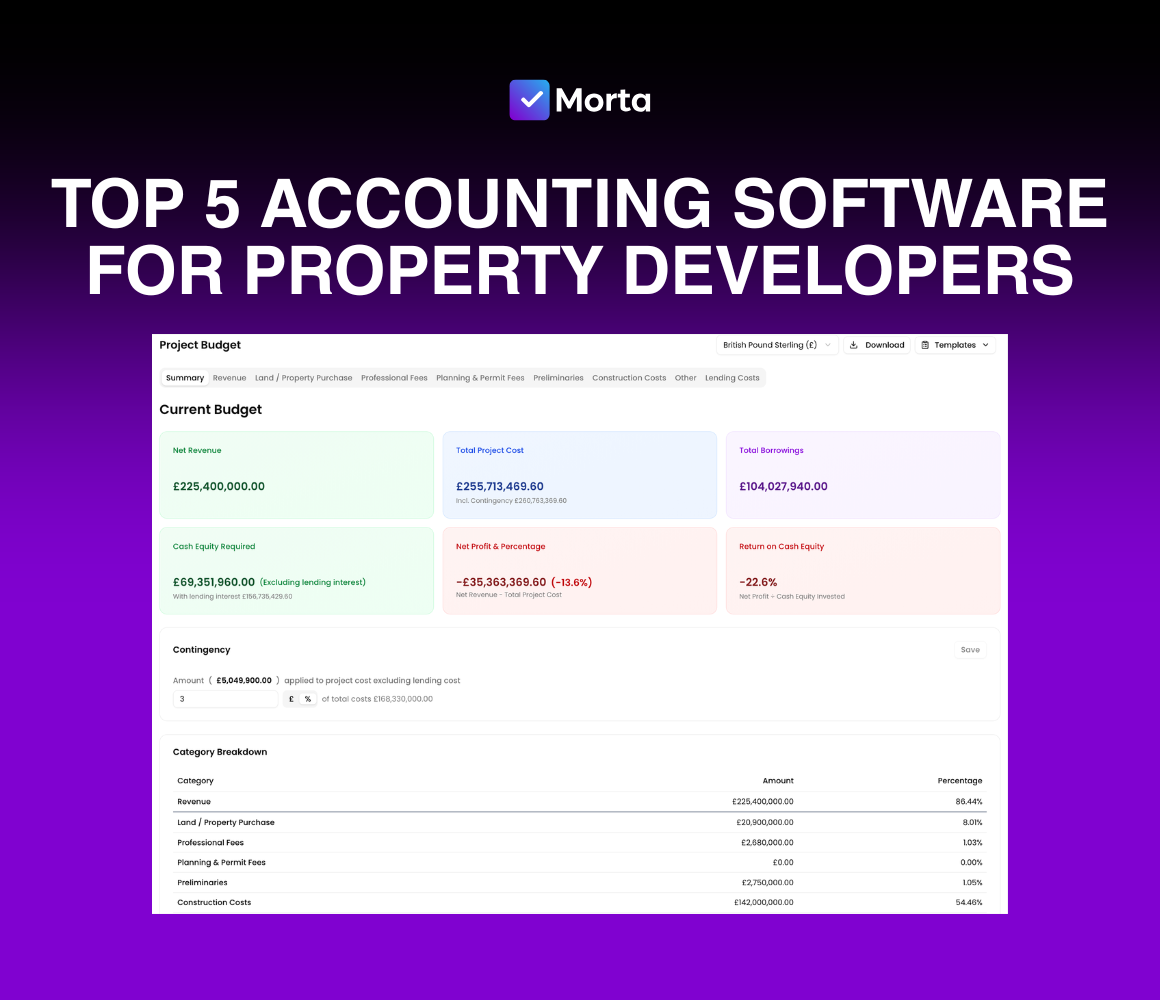
Top 5 Accounting Software for Property Developers (2026) If you speak to any experienced developer, the conversation around profit rarely starts with sales. It starts with control. Control over costs, over timelines, over decisions that quietly shape the outcome of a scheme months before a single unit is sold.

UK’s Top 5 Most Expensive Properties Ever Sold (2026) There is a certain tier of property where pricing stops behaving rationally.
6 Best Software for Managing Property in 2026 Property developers are operating in a very different environment compared to even three years ago. Land values shift quickly, build costs are unpredictable, and timelines are tighter than most teams are comfortable admitting. In that context, the tools you use are no longer a background decision. They shape how quickly you can assess a deal, how accurately you can track performance, and how confidently you can scale.
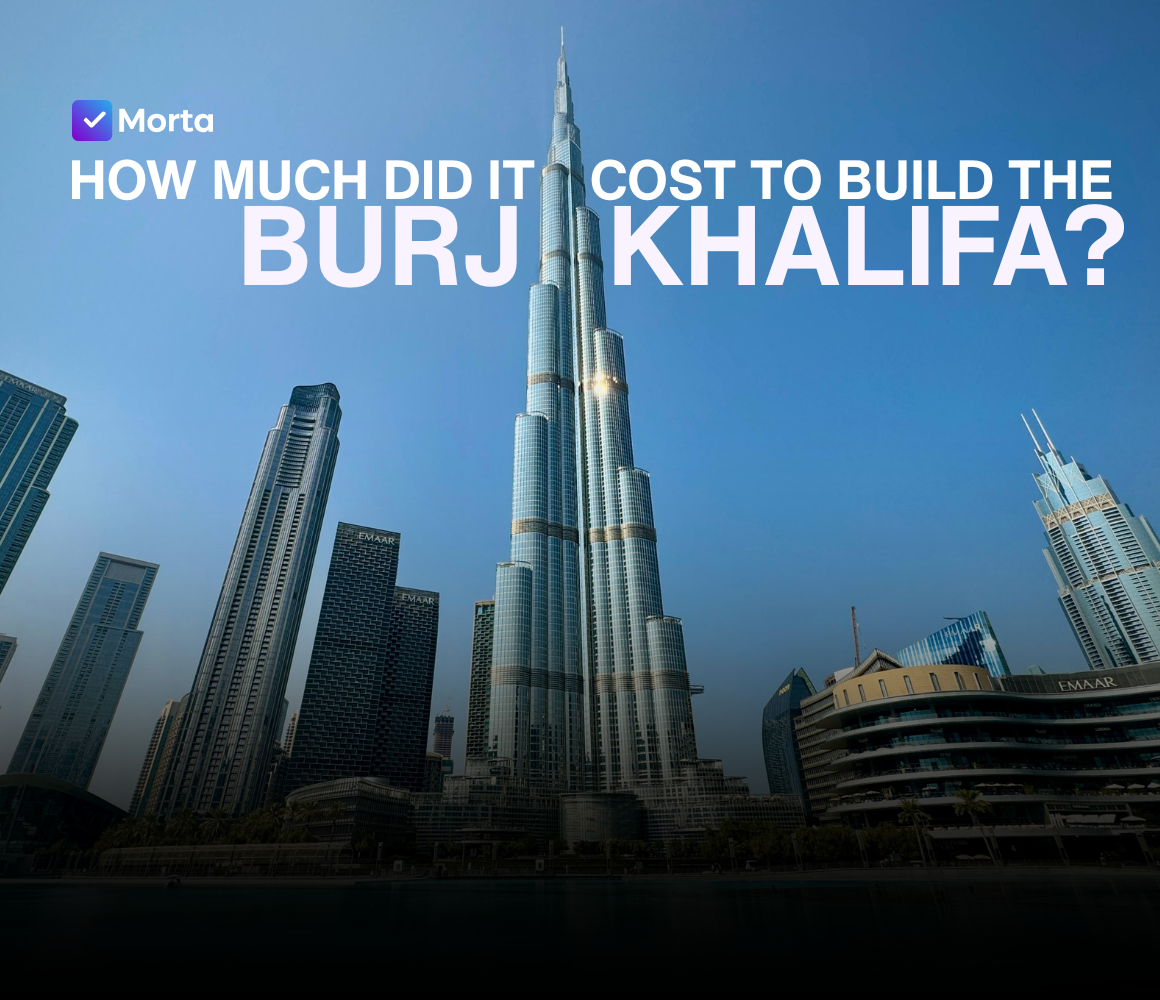
If you search “how much did the Burj Khalifa cost to build”, you will see the same number repeated almost everywhere. Around $1.5 billion. It sounds definitive. It feels complete.
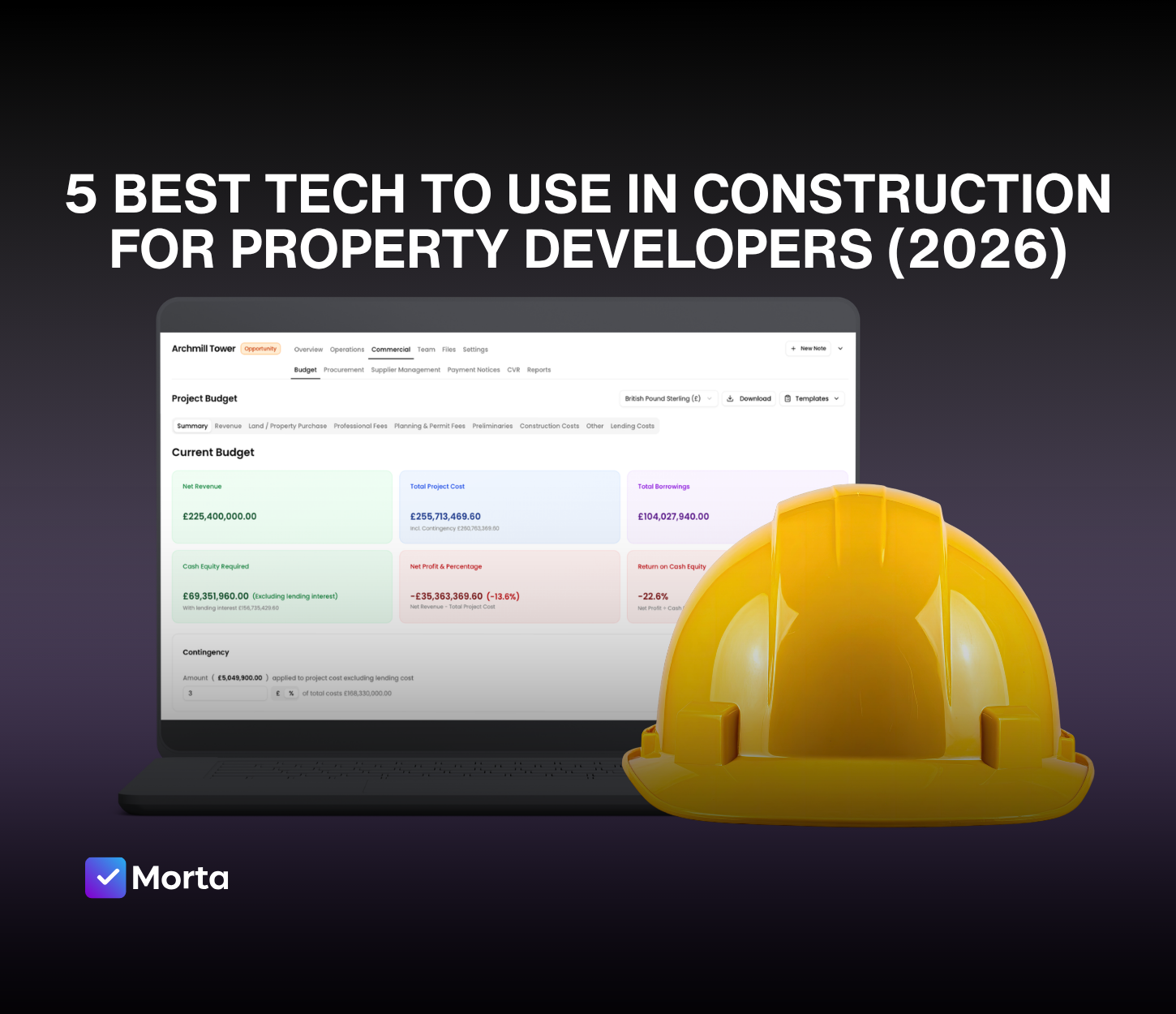
5 Best Tech to Use in Construction for Property Developers (2026) If you work in construction, you already know there is no shortage of software claiming to fix everything. Better reporting. Better collaboration. Better forecasting. Better margins. The trouble is that most teams do not need more tools. They need fewer gaps.

In early renderings, The Shard looked almost unrealistic. A glass spire cutting through London’s skyline, tapering into the clouds above London Bridge. Many dismissed it.
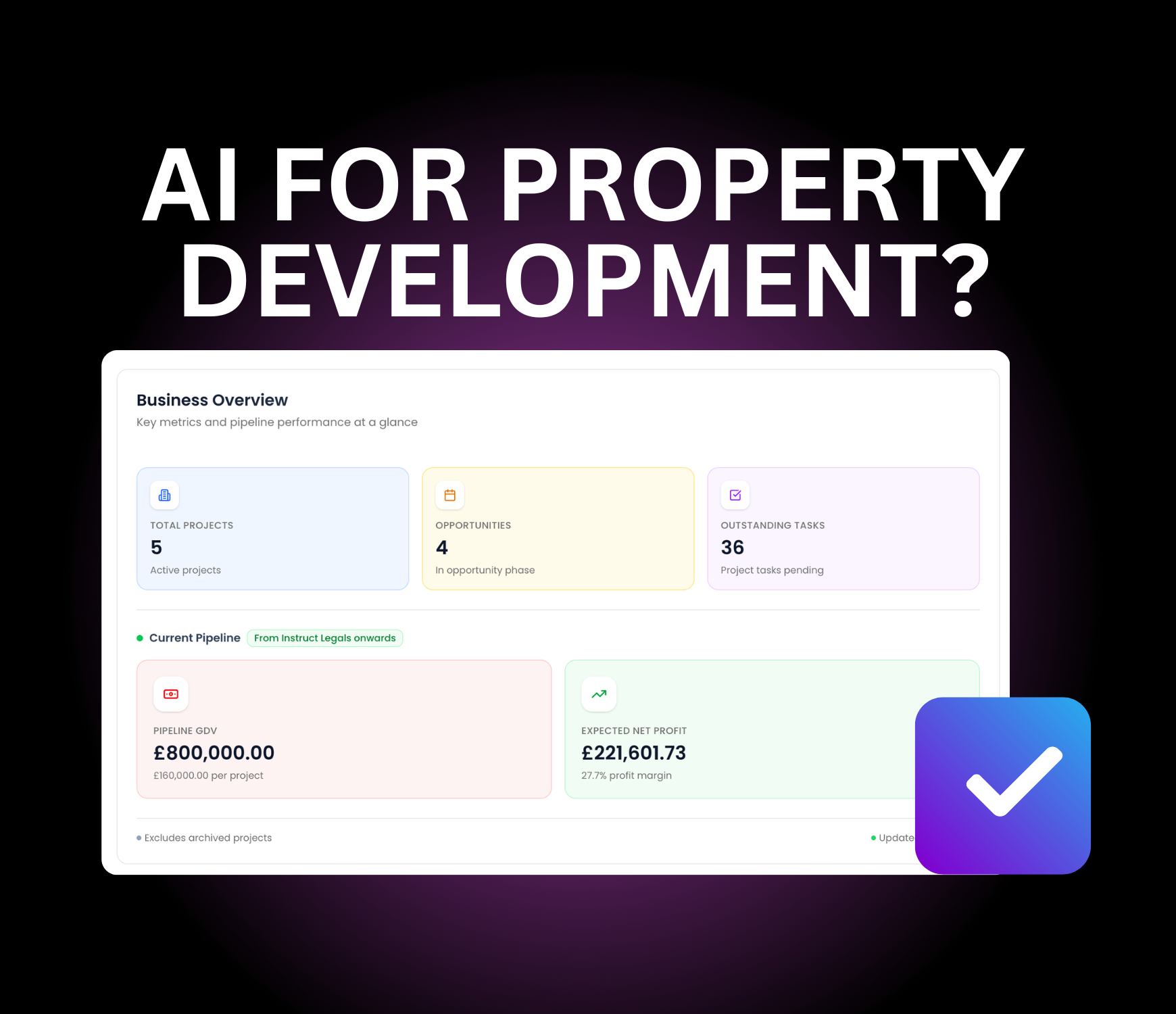
Should You Get AI for Property Development for Your Next Project? Property development has never been short on opinions. Everyone has a spreadsheet template, a WhatsApp group, and a preferred way of doing things. What has changed in the last few years is not the ambition of developers, but the volume of information they are expected to manage.
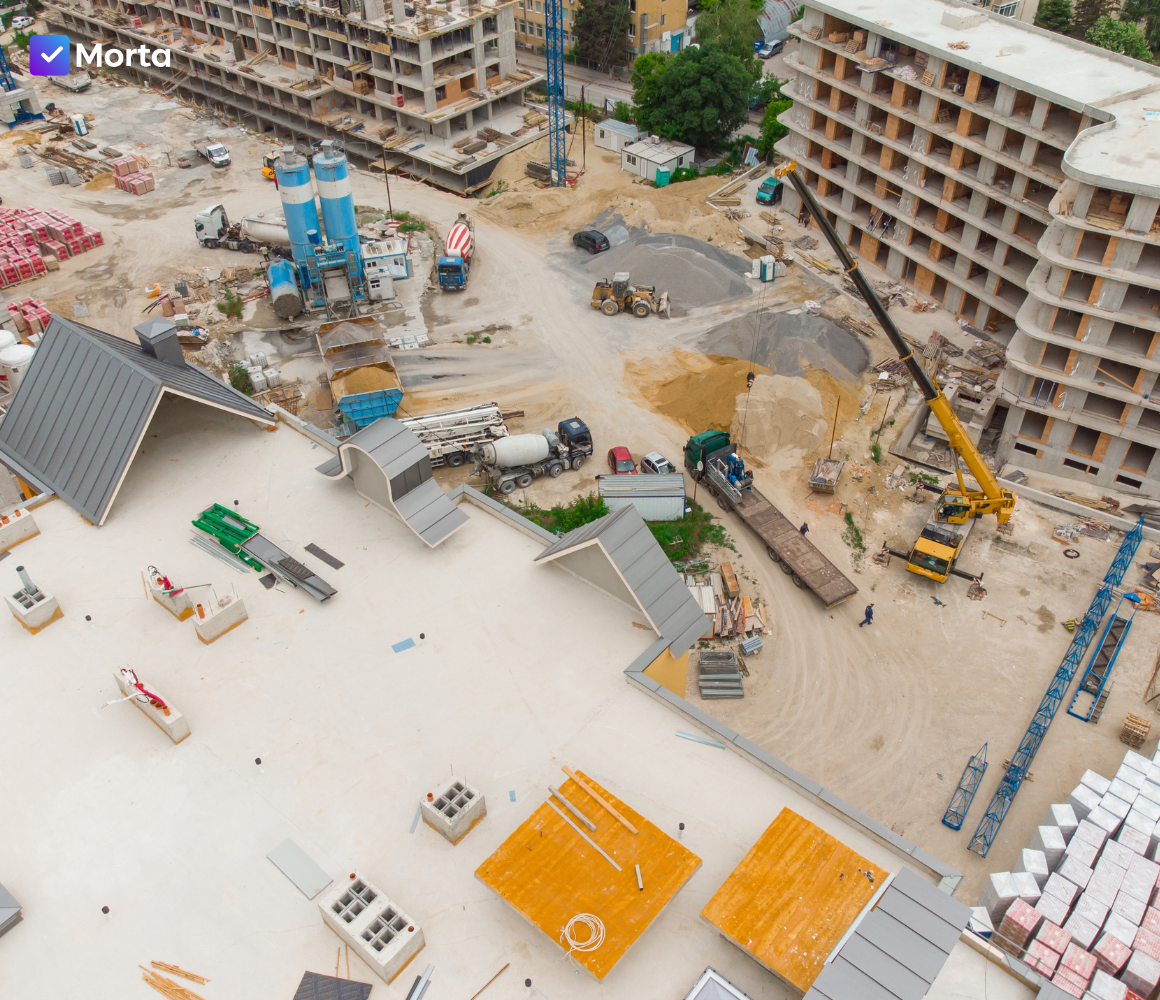
Property management software has existed for a long time. Most of it, however, was never built for property developers. It was built for landlords managing rentals, agents handling tenancies, or facilities teams dealing with maintenance tickets. That works well if your main concern is rent collection or occupancy rates. It works far less well if you are planning, delivering, and scaling property developments.

Defects are one of the least glamorous parts of property development, yet they are one of the most expensive. Whether you are working on your first small property flipping project or managing multiple live developments, defect management has a habit of becoming reactive, rushed, and fragmented. Most developers know defects will appear.

Feasibility is one of the first concepts people encounter when they start learning property development, yet it is also one of the least understood. It sounds technical. It feels spreadsheet-heavy. Many assume it is something you only need once you are already experienced. In reality, feasibility is where property development actually begins.
If you are new to property development, nothing feels more confusing than all the jargon that comes up in a project meeting. One of the most important terms is Gross Development Value (GDV). You will hear surveyors, investors and lenders talk about it. The term sounds technical but once you understand the thinking behind it, it becomes straightforward.

Property Flipping in Dubai vs London. Which Market Delivers More? Property flipping has become one of the most talked about investment strategies over the past decade. Investors like the idea of buying a property, improving its condition, and selling it for a higher price.

How to Start Property Flipping in the UAE Property flipping in the UAE continues to attract investors who want speed, clarity, and strong returns. Dubai in particular offers a rare combination of liquidity, transparent regulations, low tax pressure, and a high volume of buyers who are ready to move fast.
How to Find Properties to Flip in Dubai Flipping property in Dubai remains one of the most talked about investment strategies in the UAE. The city’s ongoing real estate momentum, inflow of global investors, and strong demand for housing create a favourable setting for property flipping.

Property flipping has become one of the most accessible entry points into real estate, attracting everyone from first-time investors to seasoned property developers who want faster returns. It offers a clear path to profit, teaches the fundamentals of development, and gives investors a chance to test their skills with lower commitment than a full construction project. Yet despite its popularity, most explanations still oversimplify what flipping involves. The truth is more technical, more strategic, and far more dependent on execution than social media suggests.

Property flipping has gained traction in both the UK and the UAE, especially among developers who want faster returns or are looking to scale their portfolios. While both markets offer opportunities, the pace, regulations and financial outcome differ sharply. To understand which country gives you the stronger advantage, this guide breaks down real timelines, market data and the lived experience of developers who work in each region. It also looks at why organisation plays a bigger role than most people realise, especially when trying to flip more than one property at a time.

The Best & Worst U.S. States for House Flipping U.S. states ranked from the most to the least attractive to house flippers
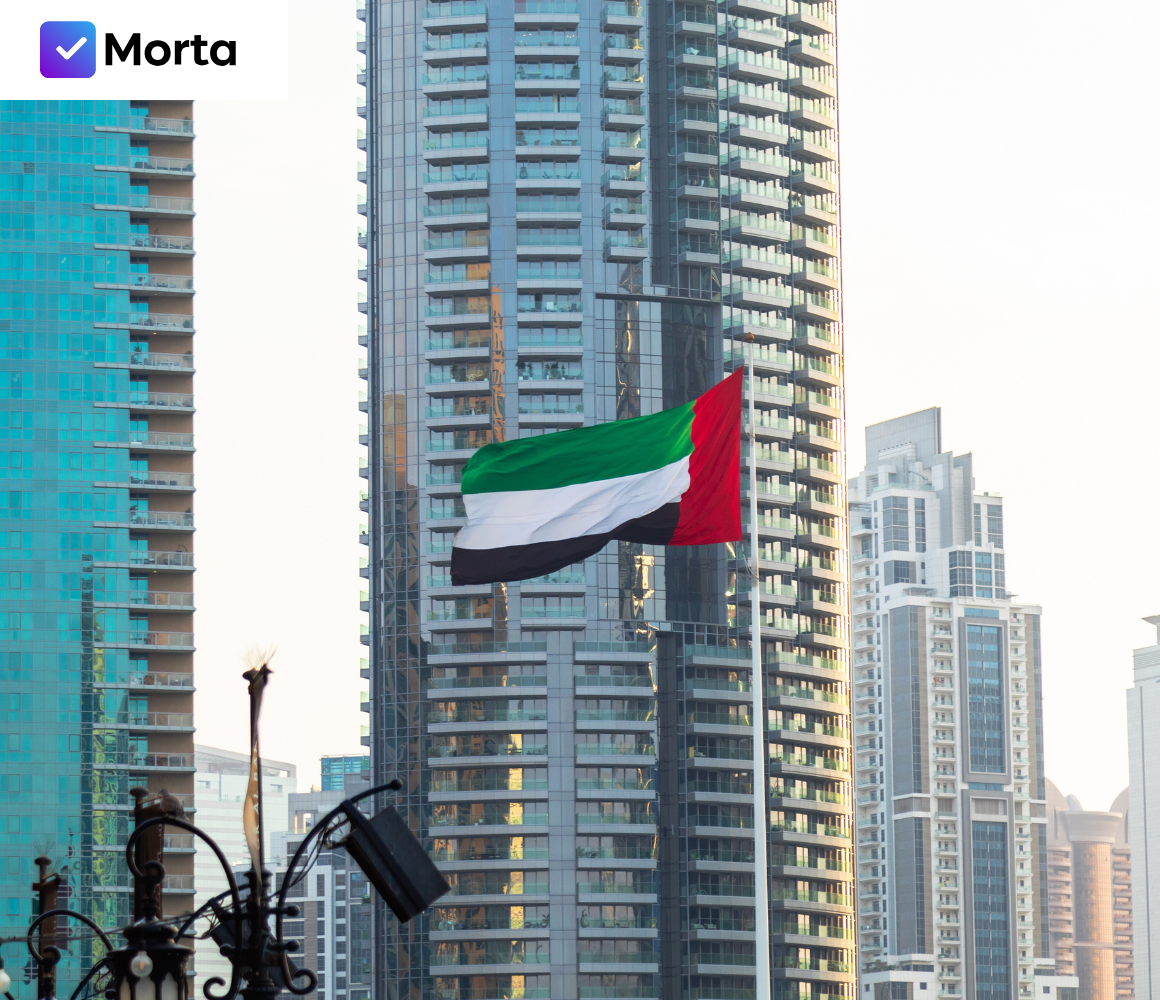
Property Development in Dubai Dubai is one of the most advanced real estate markets in the world, where design, regulation, and innovation converge. From the high-rise towers of Downtown Dubai to the master-planned communities of Dubailand, every project follows a defined process that combines vision with discipline.

Financing is the heartbeat of every property development. It determines not just whether you can start, but also how far you can go. Whether you are an independent property developer or part of a corporate team managing a multi-phase scheme, knowing how to raise money for property development is fundamental. In today’s market, property developers face rising construction costs, shifting interest rates, and inflation that quietly eats into profit margins. The good news is that property remains one of the most resilient investments, offering returns that can still outperform other assets when managed with the right strategy.

For property developers, whether you are running a large corporate operation or working independently, understanding what a development appraisal is and how to use it effectively can make the difference between a project that thrives and one that struggles. In this article we will explore what appraisal for real estate development really means, why it matters, what happens if you skip it or do it badly, how it differs from valuation, and what you need to consider when creating one.

There are 6,000 to 7,000 identified property developers in the UK, employing more than 1.2 million people and contributing over £100 billion to the nation’s GDP, which is about 7%. Wherever you are in the world, property development stands as one of the most lucrative and profitable professions out there.

Becoming a property developer in the UK offers significant opportunity, but requires a disciplined process, detailed financial modelling, and thorough regulatory understanding. If you are planning to start a property development company or launch your first project, this guide provides the full workflow.

If you want to scale your property development business and build real wealth in real estate, you need more than intuition. You need a system. Project-tracking software turns messy spreadsheets, missed approvals, and surprise costs into predictable outcomes. The right software gives you full visibility over budgets, timelines, and communication, helping you scale confidently without losing control.